

What is Jigger Dyeing and Why Is It Used in Industry?
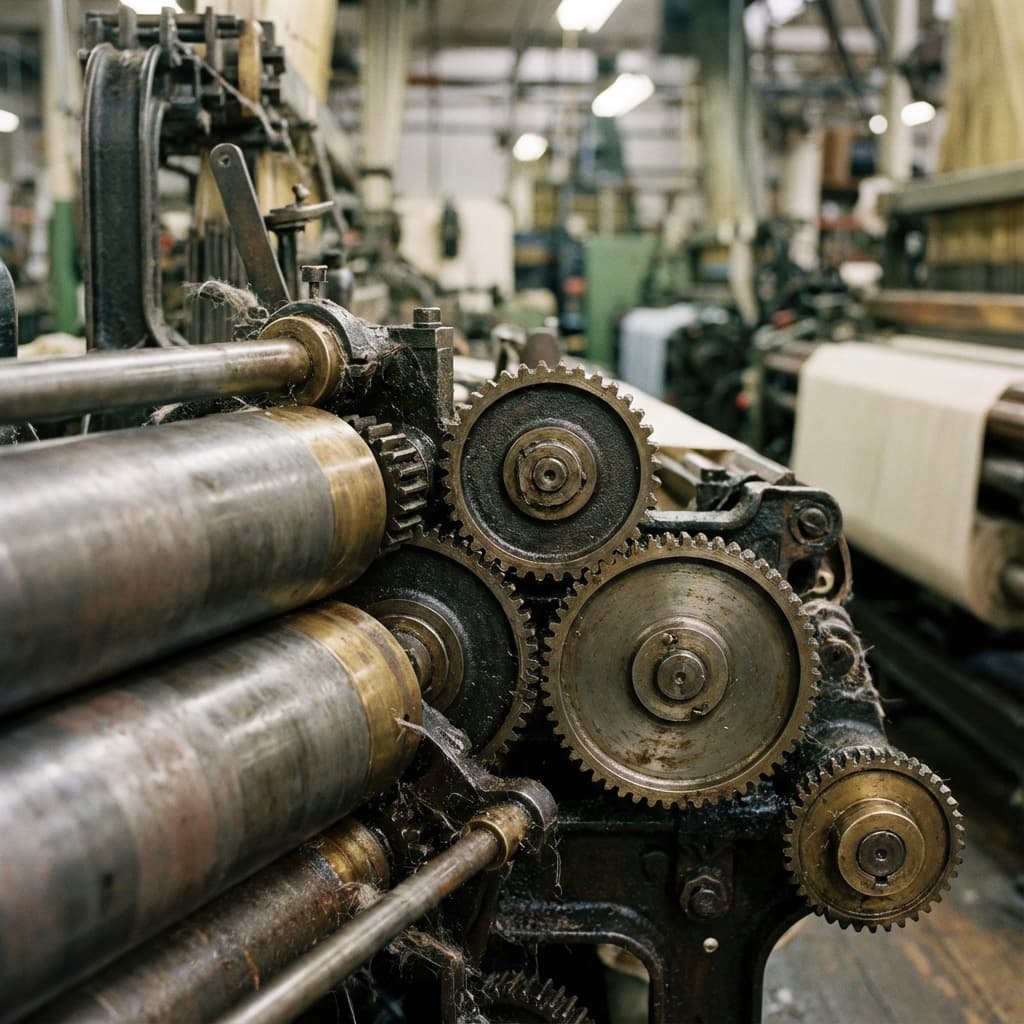
You've heard the term, but what exactly is jigger dyeing? This industrial process is a game-changer for large-scale textile production. Discover how it works, its benefits, and why it's the preferred method for woven fabrics.
The Mechanics of Jigger Dyeing
Jigger dyeing differs from other methods because the fabric is handled in open width, rather than in rope form. This is crucial for woven fabrics that might crease or crack if bunched up.
The fabric rolls back and forth between two main rollers, passing through a dye bath trough at the bottom. This "jigging" motion ensures that every inch of the fabric gets equal exposure to the dye liquor.
Key Benefits
- Uniformity: The open-width tension control provides excellent levelness of color from selvage to selvage.
- Efficiency: It handles large batches of fabric (often hundreds of meters) in a single run, making it cost-effective for industrial production.
- Versatility: It is suitable for a wide range of woven fabrics, including cottons, silks, and heavy synthetic blends.
- Water Conservation: Modern jiggers are designed to use a lower material-to-liquor ratio, making them more environmentally friendly compared to older winch dyeing methods.
Why We Use It
At Shoeb Dyeing Service, we rely on jigger dyeing for our bulk orders from garment manufacturers and export houses. It allows us to deliver consistent quality across thousands of meters of fabric, which is essential when those fabrics are being cut and sewn into retail garments.
Have questions about this topic?
Our team is happy to help you with any dyeing or fabric care queries.
Contact Us